
Research
The research behind every recommendation we make
Our advice is built on studies we have run, papers we have published and prototypes we have tested, starting with fertilizer and by-product work and extending into the wider aquaculture and food science research our team has contributed to.
Fertilizer & By-Product Innovation
 Award
2024
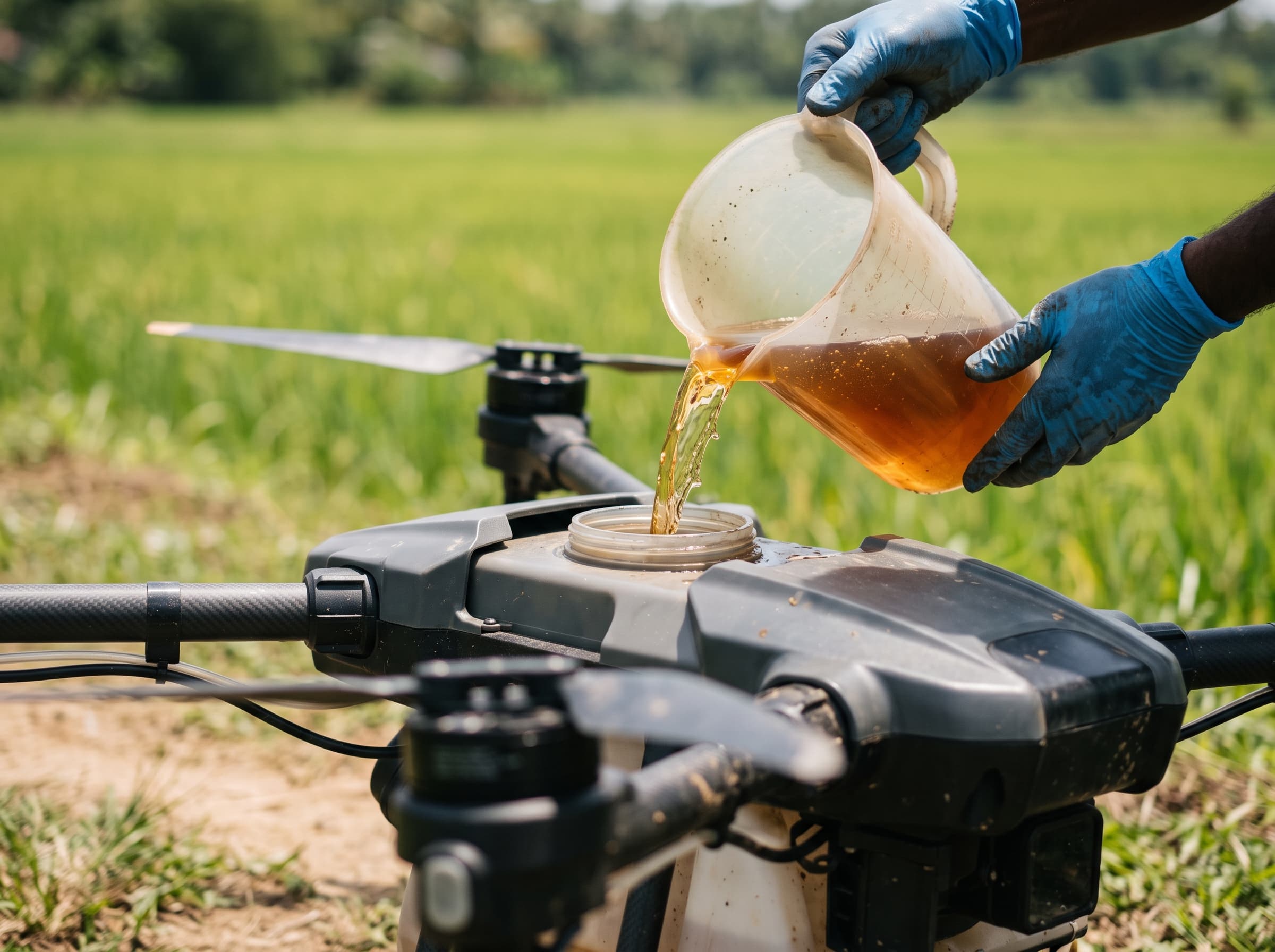
Hybrid Liquid Fertilizer That Adds Value to Urea
Instead of asking farmers to replace urea, our team built a liquid fertilizer that adds value to it. The formula improves how well the plant uses the nitrogen that is already being applied, which means less fertilizer is needed for the same result. This approach won the Best Innovation Award in the chemicals category at Industry Expo 2024, one of South Asia's largest industrial exhibitions, and it later became the foundation of our own Hybrid Nitro and Hybrid Bandi product line.
Read more →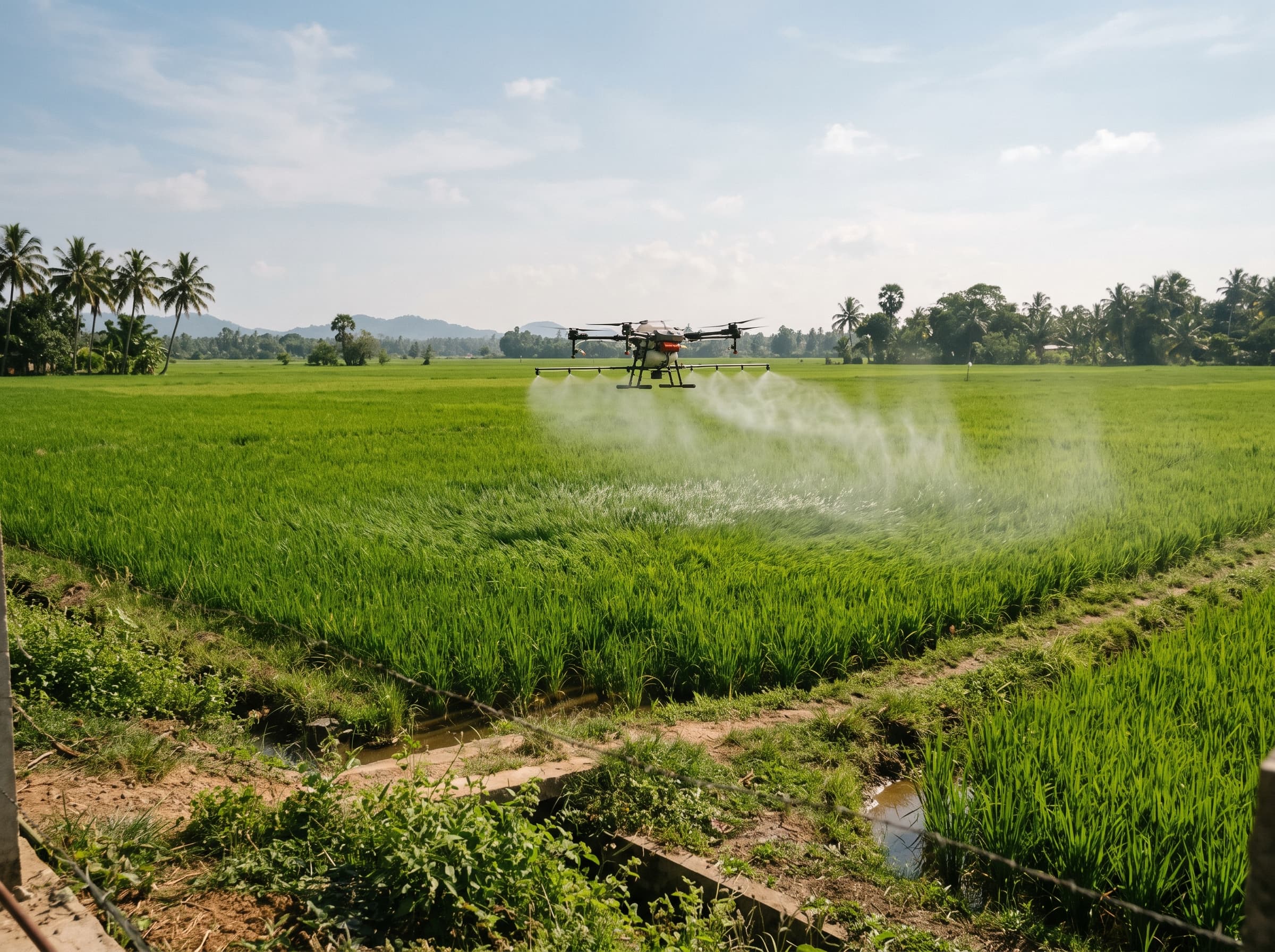 Award
2024
Fertilizer Designed for Drone Application
Most fertilizers are formulated for hand or machine spreading, not for drone spraying. We designed a fertilizer specifically for drone application, with the droplet behaviour and concentration it needs to work from the air. The project took first place in the eco-friendly fertilizer category at Agri Revolution 2024, run by Sri Lanka's Ministry of Agriculture, and came out of several years of joint research with Uva Wellassa University.
Read more →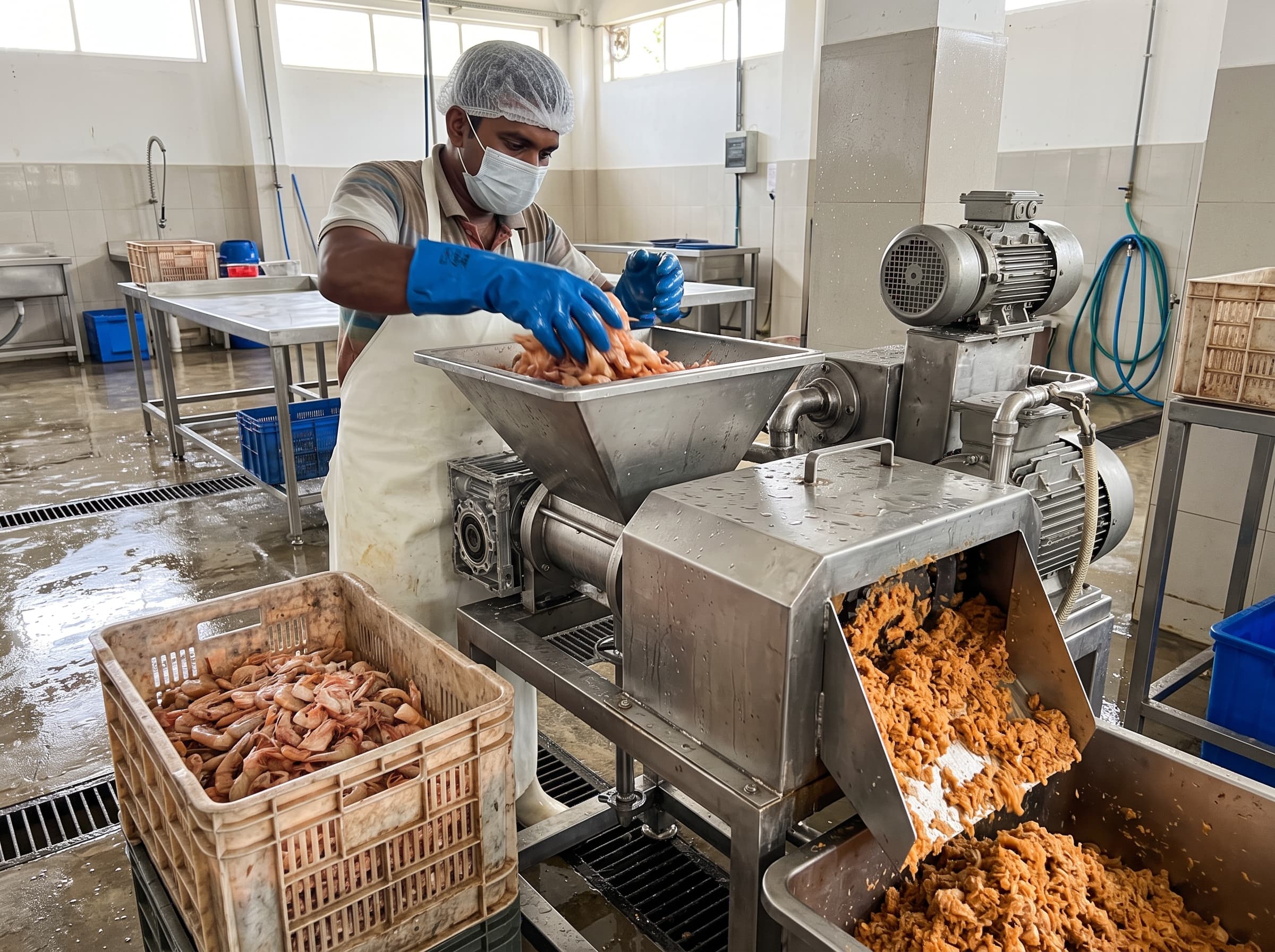 Award
2023
Prototype Shellfish Waste Processing Machine
Before shellfish waste can become fertilizer, it has to be processed, and doing that by hand does not scale. As co-investigator, our founder helped design and build a prototype machine for processing shellfish waste. The project received a commendation from the Sri Lanka Council for Agricultural Research Policy as part of the National Awards for Excellence in Agriculture Research 2023. This is the same equipment design experience we now bring to clients who need to move from raw by-product to usable fertilizer input.
Read more →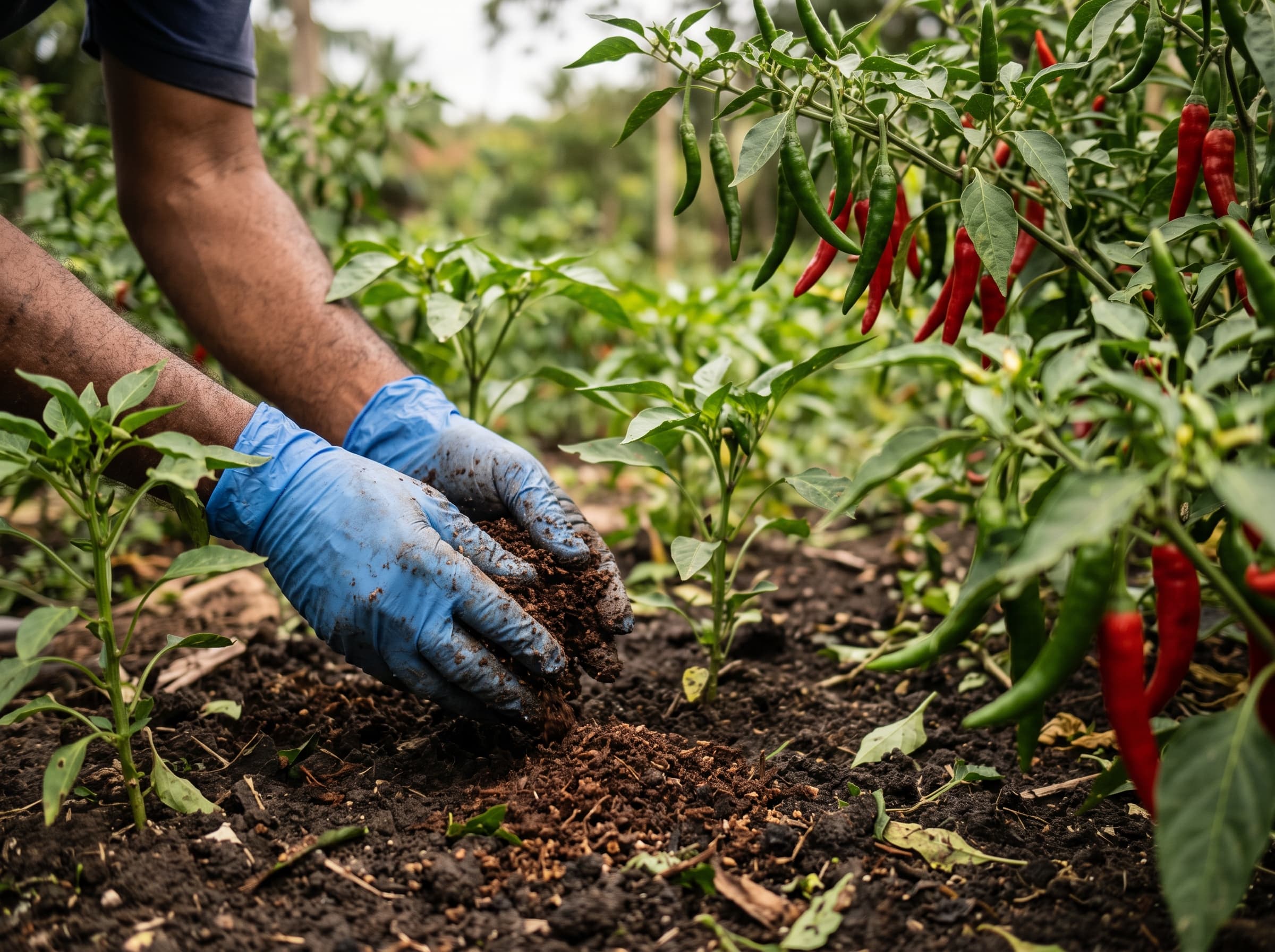
2026
Organic Fertilizer from Shrimp Waste, Tested on Chili
Shrimp processing leaves behind a lot of waste, and most of it is thrown away. This study turned that waste into an organic fertilizer and tested it directly on chili plants, a real crop grown by real farmers, rather than stopping at a lab analysis. It is a practical example of the kind of waste-to-fertilizer pathway we help manufacturers build.
Read more →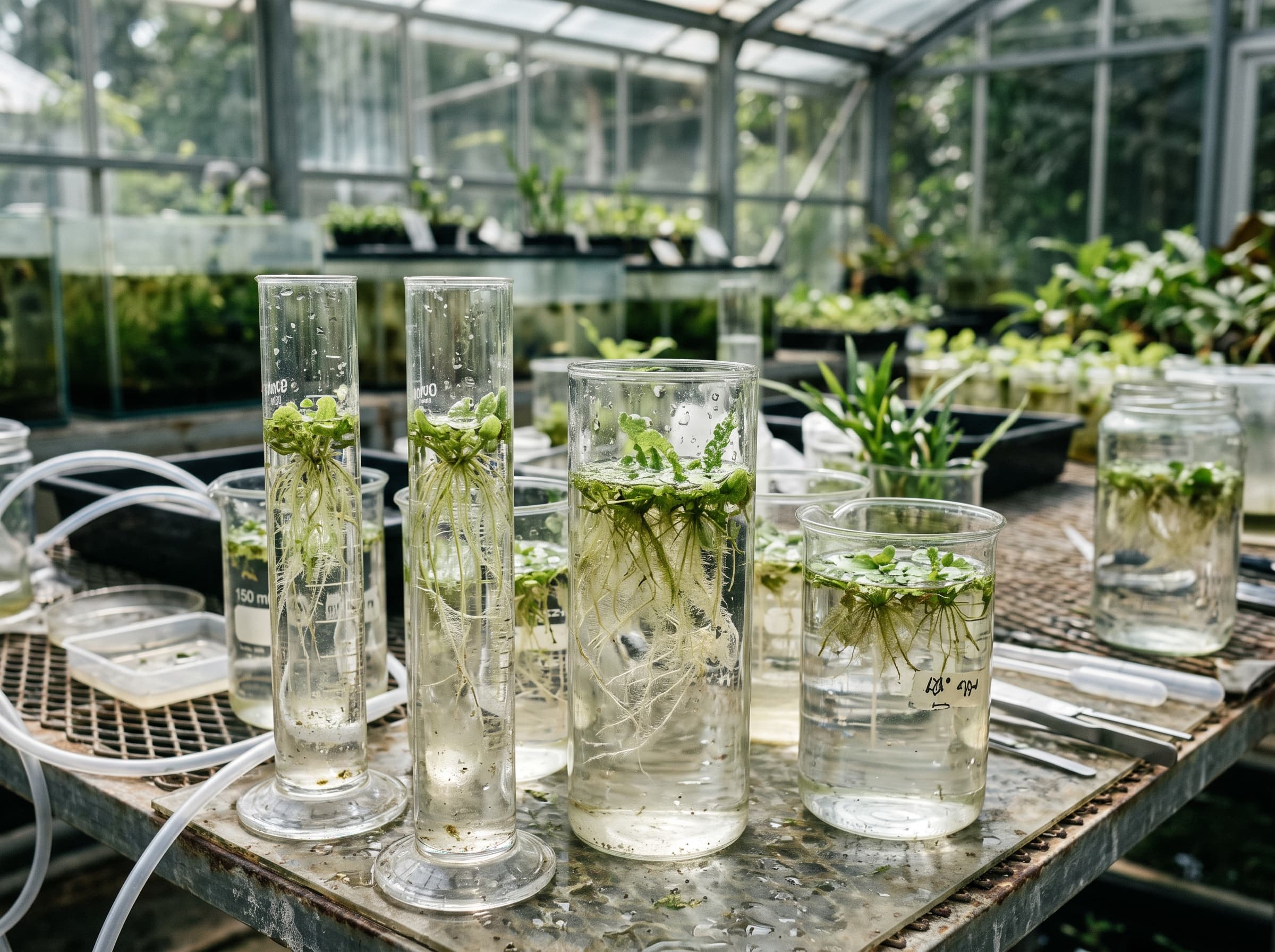
2024
Hybrid Fertilizer from Fisheries By-Products
This study built a hybrid fertilizer out of fisheries sector by-products and measured how well it grew a test plant, Anubias nana, compared to standard options. It is this kind of controlled growth trial, not just a lab formula, that gives us confidence recommending by-product based fertilizer blends to clients.
Read more →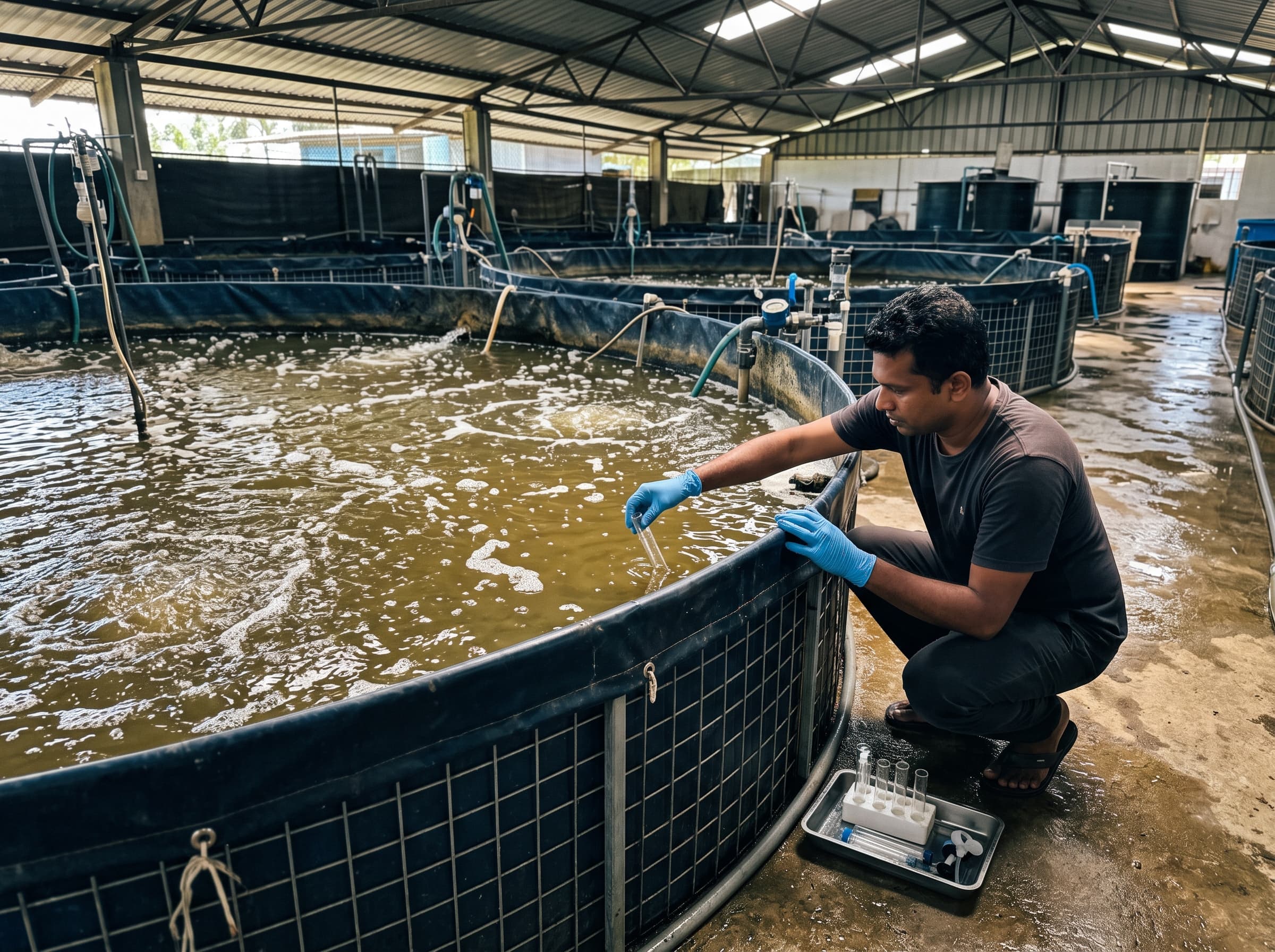 Award
2022
Finding the Right Conditions to Form Biofloc from Fishery Waste
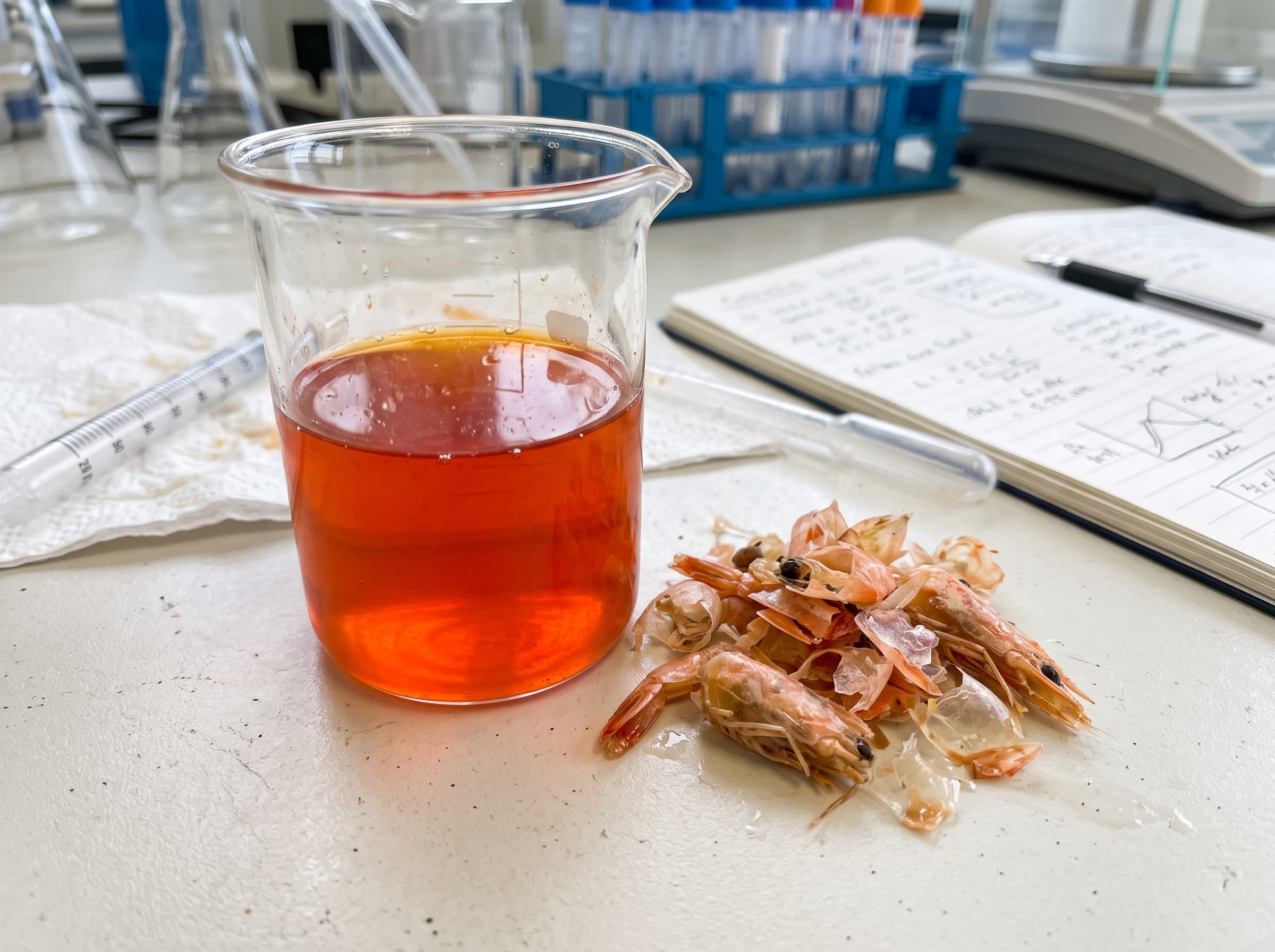
Biofloc is a mix of bacteria and organic particles that forms in water and recycles waste into something useful again. This research identified the general conditions needed to form biofloc from fishery sector by-products, and a companion study confirmed it worked as a feed source in practice. The award-winning method is the same kind of waste treatment knowledge that underlies our by-product fertilizer consulting.
Read more →Aquaculture & Animal Nutrition
2021
Recovering Carotenoprotein from Shellfish Waste
This study used autolysis and natural enzymes already present in shrimp and crab waste to break it down and recover carotenoprotein, a valuable compound rich in protein and astaxanthin. No harsh chemicals were needed, just the waste material's own enzymes doing the work. The study found that the ratio of shrimp to crab waste changed how much carotenoprotein could be recovered, which is exactly the kind of process detail that determines whether a waste valorization method is practical at scale or only works on paper.
Read more →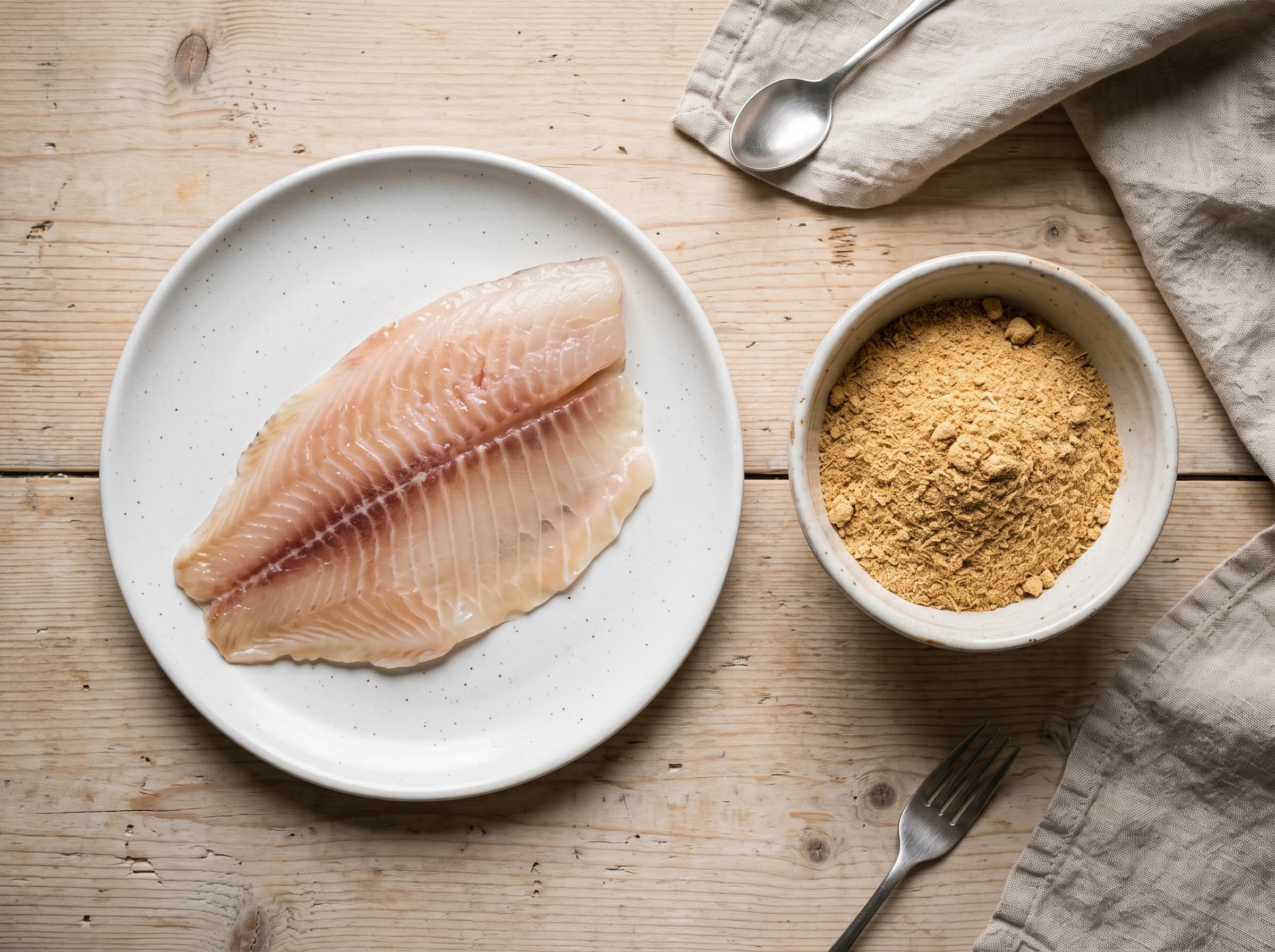
2021
Using Rice Bran to Improve Fish Nutrition
This study raised Genetically Improved Farmed Tilapia on diets with different amounts of rice bran and measured the omega-3 content of the fillets afterward. Fish fed more rice bran produced fillets with significantly higher omega-3 levels, and growth and survival stayed the same either way. It shows that a low-cost, locally available ingredient can improve a final product's nutritional value without any trade-off in performance, the same principle we look for in by-product based fertilizer inputs.
Read more →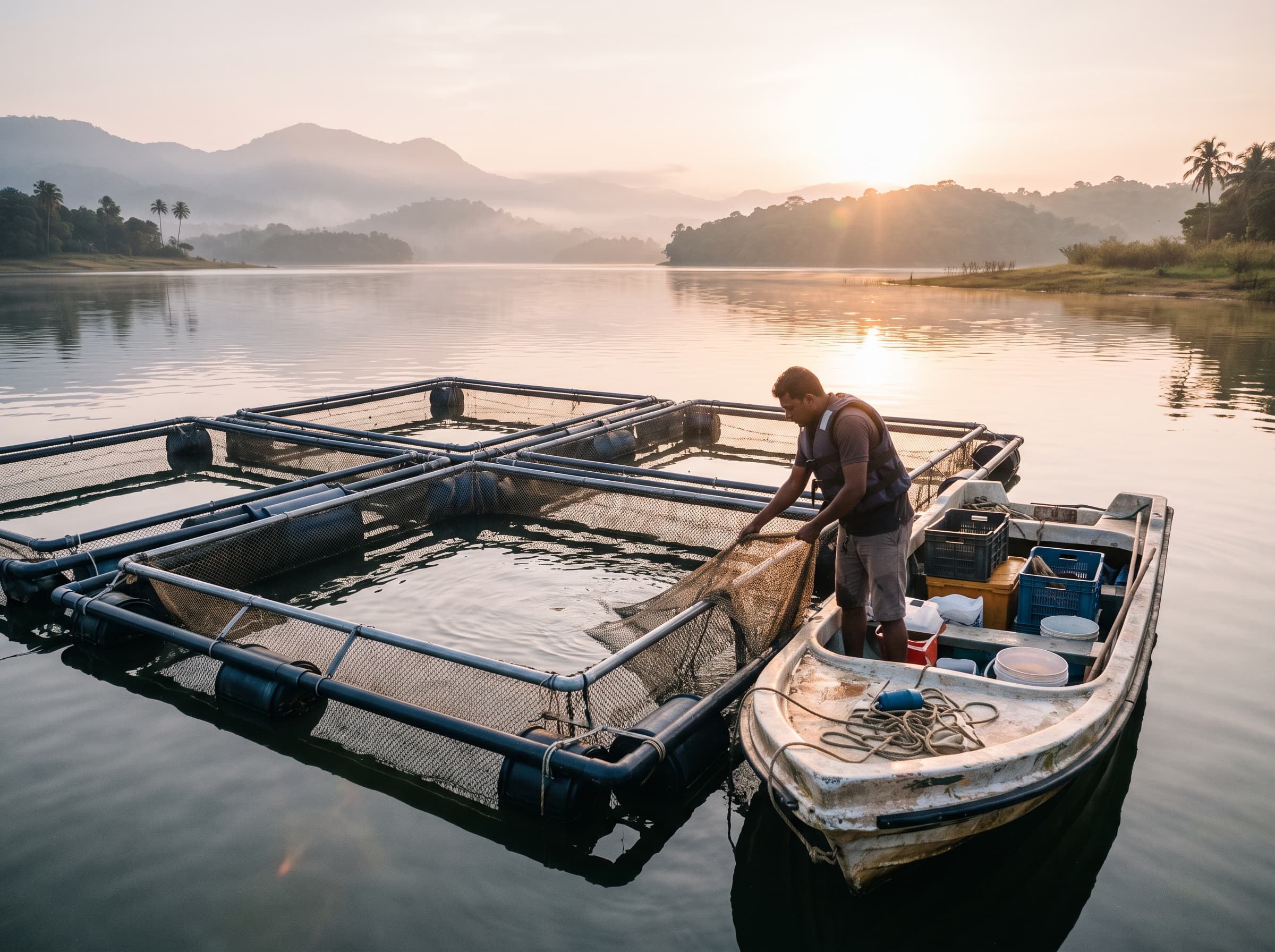
2017
Cage Culture Research on Genetically Improved Farmed Tilapia
Across several years, this research programme built and tested a low cost mini hatchery for tilapia seed production, then worked out the feed protein and fat levels, and the stocking densities, that gave the best growth and fillet quality in cage culture. It is a good example of how we prefer to work: start with a low cost prototype, then refine it step by step using real performance data.
Read more →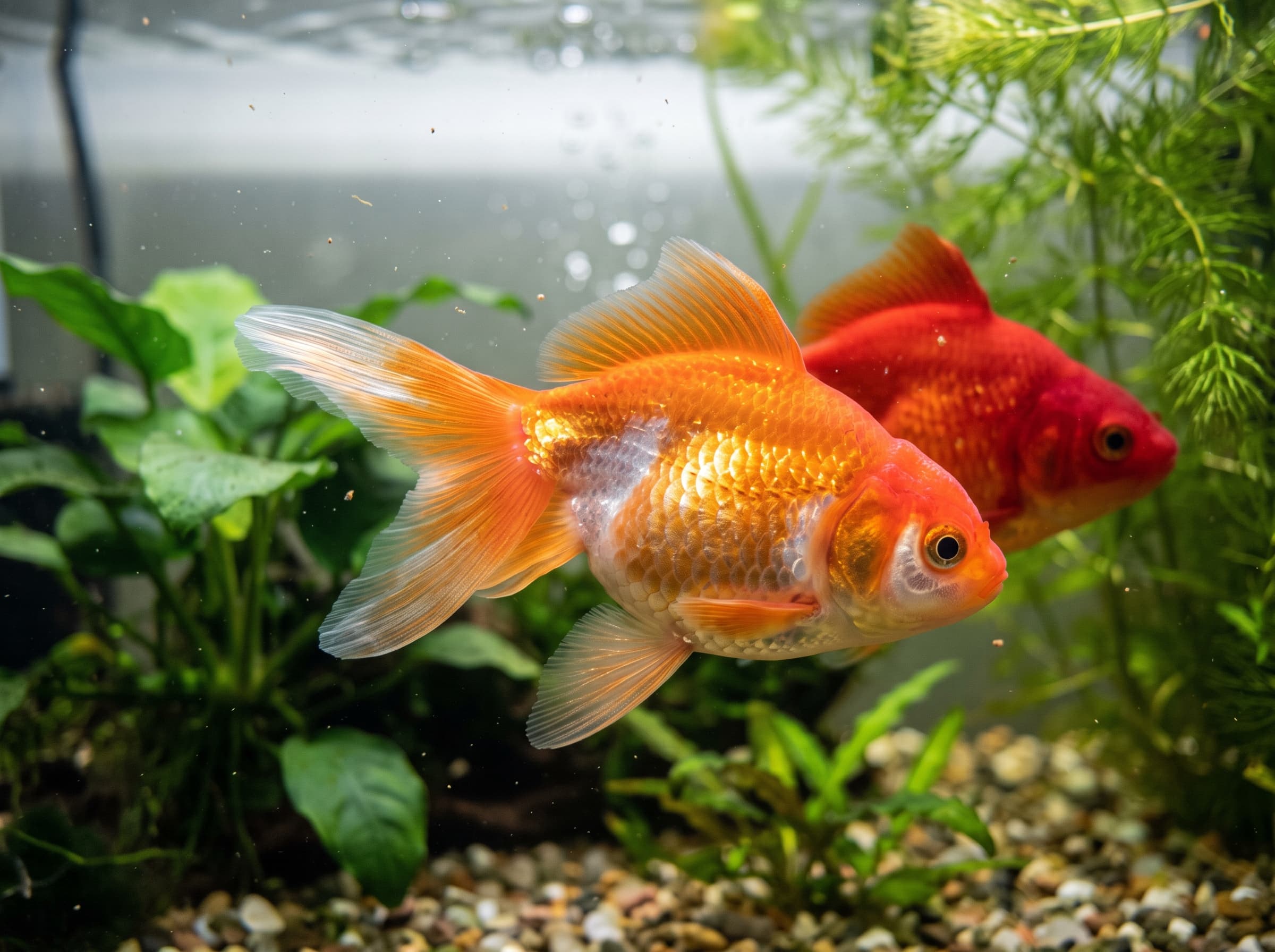
2022
Natural Colour Enhancement for Ornamental Fish
This line of research tested natural, waste-derived pigments, including carotenoprotein from shellfish waste and pigment from squid ink, as colour enhancers for ornamental fish such as goldfish and platies. It is further proof that material most people throw away can be refined into something with real commercial value, the same mindset we apply to fertilizer by-products.
Read more →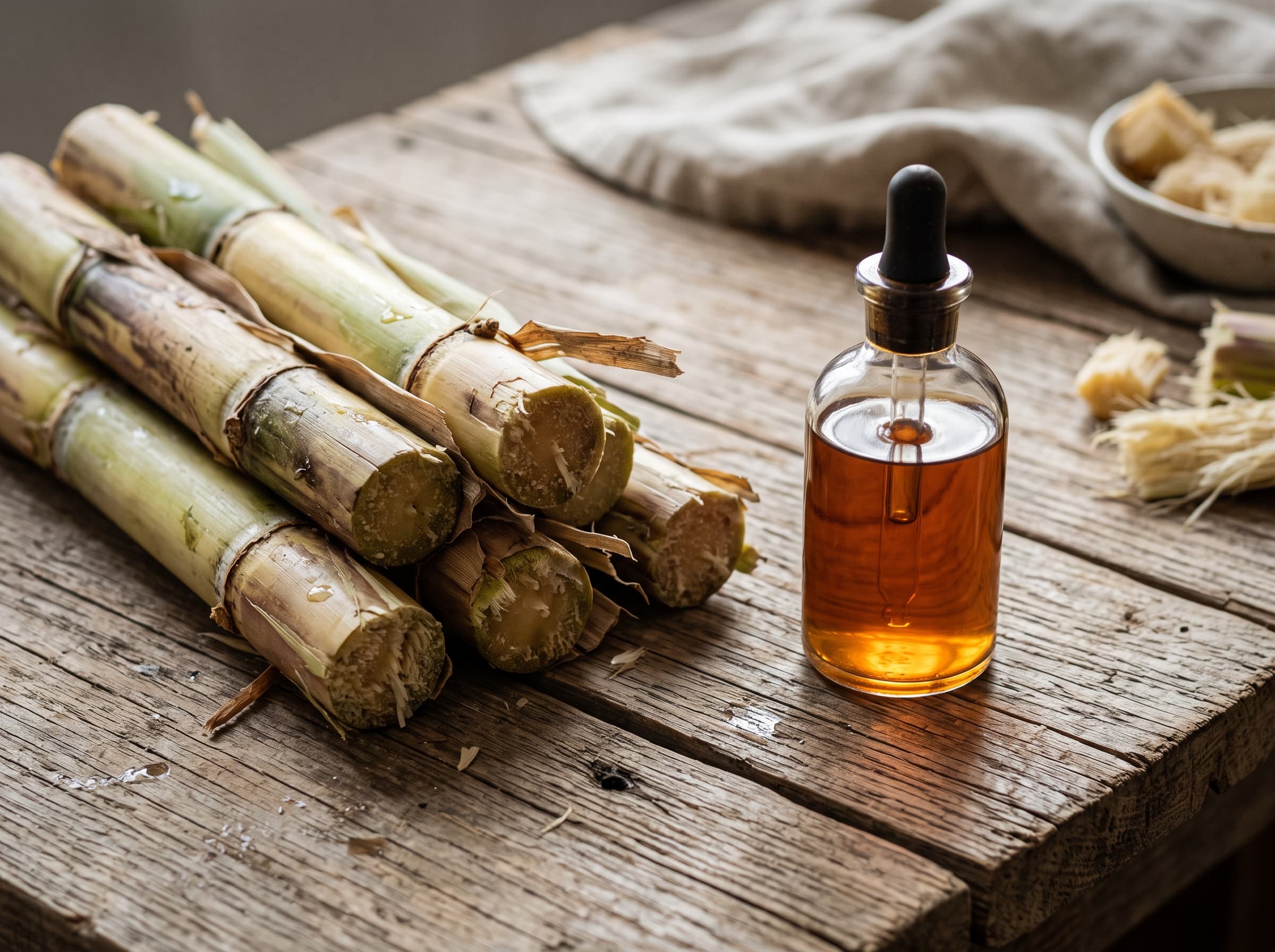
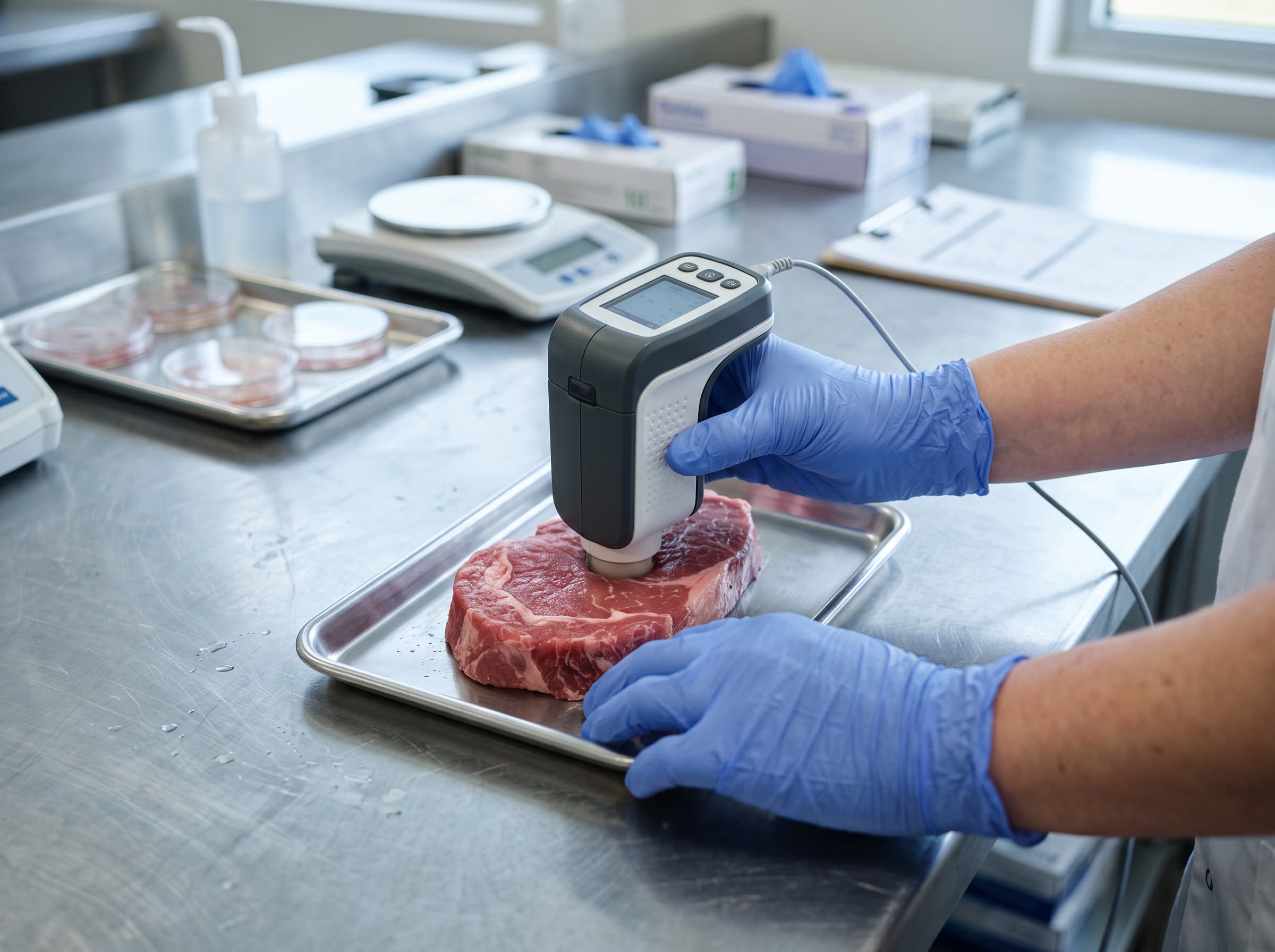
Want the full picture before we start a project?
Ask us for the complete publication list and we will send over the citations and sources.
Talk to our team